Frost cracks in the tree
Frost cracks in the tree.
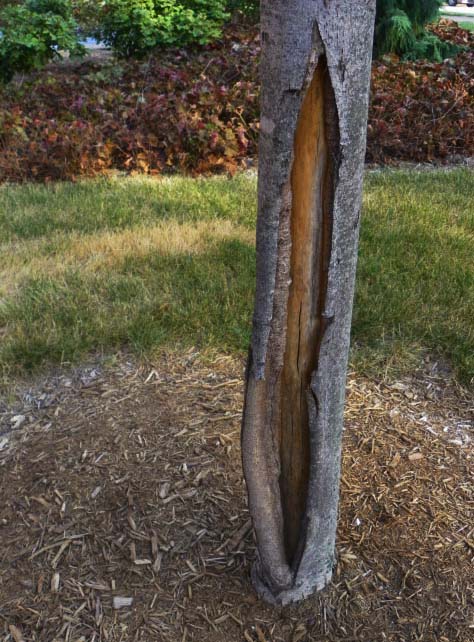 Frost cracks occur as a result of large temperature differences between day and night. During a sunny winter day, the trunk of a tree can get so hot, that it reaches a temperature of a few degrees above zero. As the temperature rises, it increases …
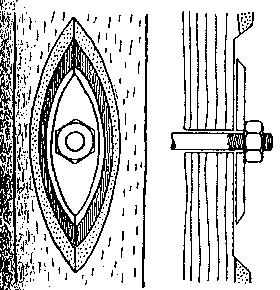
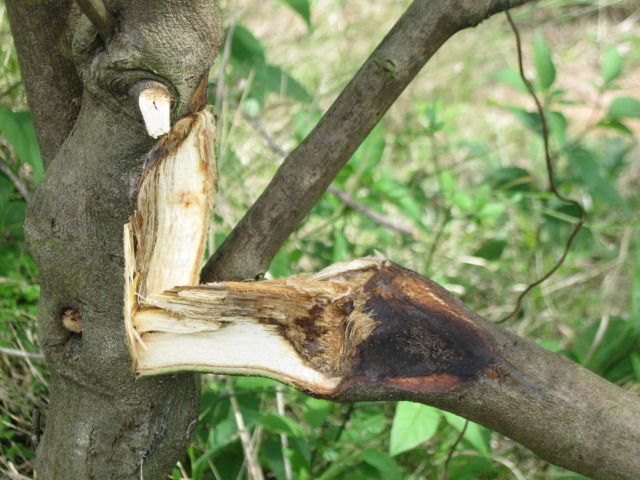 The most common fractures are bifurcations, in which the branches form a small angle with each other. This damage is much more common in older trees, because in such places there are certain stresses caused by the increase in thickness of the forked branches at the point of contact of their surfaces. Stress …
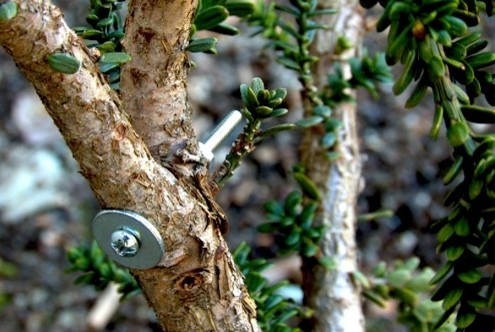 Fractures occur as a result of various loads, the size of which exceeds the strength of the wood. Such overloads most often occur during very strong winds’ affecting the tree in its leafy state or as a result of icing on the branches after falling frosted rain, due to snow cover caused by freezing of the falling snow …
 The method of making cuts depends on the thickness of the cut shoots or branches, from the location of the nearest bud or side branch, the quality of the wood and the size of the wound.
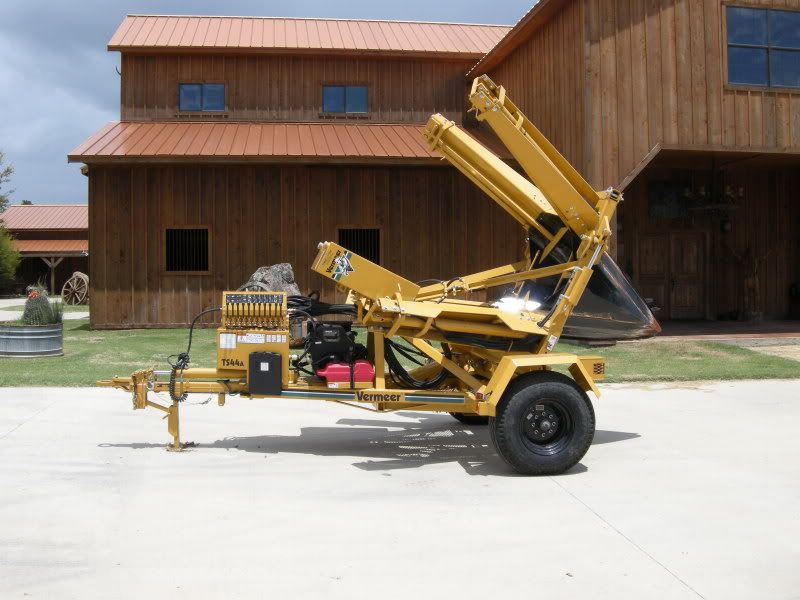 Attempts to technically improve the transplanting of large trees led to the construction, followed by major improvements to the special transplanting machines. The machines are operated by one person, you can dig holes with this machine, dig up, transport and plant trees. Such a machine may be self-propelled …
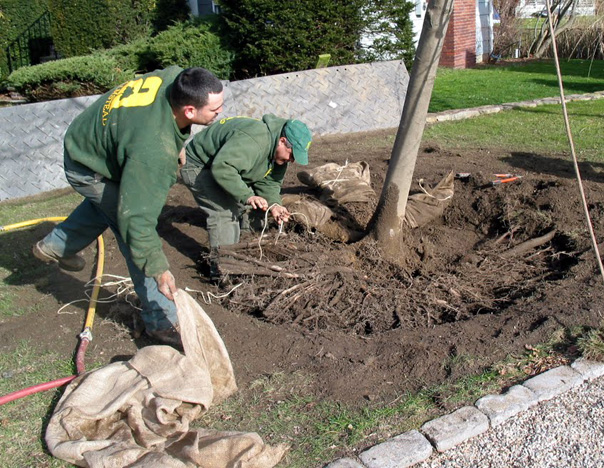 The tree is usually removed from the vehicle by a crane at the planting site. If the block is well secured and has a small size, the tree can be pulled off after, a ramp made of planks.