Fertilizing trees and shrubs
In natural and undegraded habitats, trees and shrubs use the nutrients circulating in a closed circuit. Fallen leaves or other parts of plants die and, after decomposition and mineralization, are whitened again by the roots in the form of mineral salts. Plant food cycle …
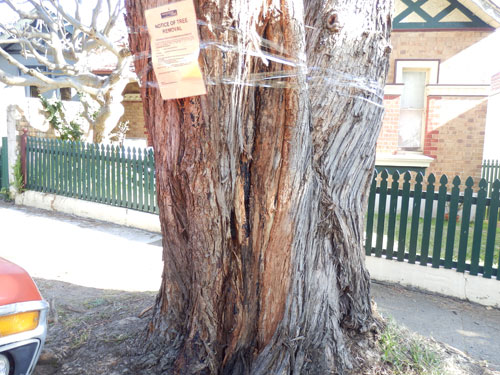 Tearing the bark on a significant part of the trunk circumference may also lead to significant physiological disturbances, especially if it occurs during the summer. Trees with partial, but significant damage to the trunk bark can be saved by adequate reduction,transpiration. You can cover for this (shade) …
 Orchard tar is an effective and quite long used agent to protect tree wounds. Places lubricated with tar should be dry, and the tar should be sufficiently fluid, so that it fills well in the unevenness of the cut surface. For these reasons, you should not smear the wounds with tar during …
 The most common damage to trees, except those caused by diseases and pests, include any mechanical damage, as a result of which the tree tissue opens in various places. These places are always at risk of secondary damage by fungi, bacteria and various insects. Open infection …
 The cutting of certain ornamental shrubs is carried out at different times, depending on the properties of the species and the desired effect. Coniferous bushes are cut only occasionally, since most species do not have the ability to reproduce truncated tops and truncated shoots from dormant buds, the lower ones. For …
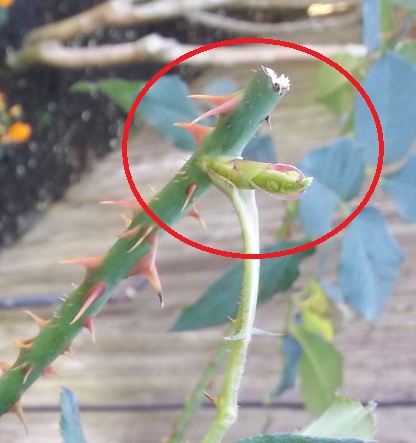 Cuts to enhance the flowering effect. In order to increase the flowering effect, the removal of older shoots and branches is most often used, which, by excessively thickening the bush, they cause, that ordinary flowers appearing on annual or two-year-old shoots are less impressive, often smaller and smaller …