Ginkgo biloba (Ginkgo biloba l )

Ginkgo biloba (Ginkgo biloba l )

Appearance: A tree that sheds its leaves for winter, high at approx 30 m, usually slim, conical, narrow crown, with one or more trunks.

Branches and boughs depart at an acute angle and are usually steeply upright; …
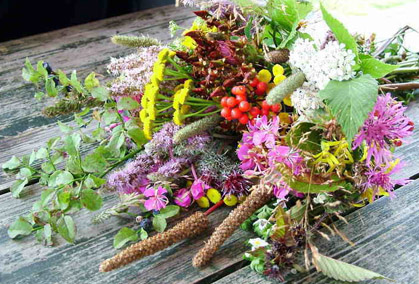
Plants for dry bouquets

bouquetGarden blanket. Also called a dog tag or a straw. They are naturally dry plants, retaining a beautiful color after picking – White, yellow, Orange, pink, red and brown. The bouquet should be cut, when they are not yet fully developed. They grow better when grown …

Dieback of potted plants

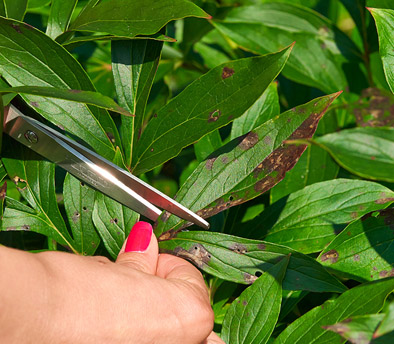
plant diseasesNeglecting care treatments or their improper performance causes the death of potted plants. The most common causes of their dying away are:
– dry, caused by a long-term lack of water. As a result, the ground is cracked or sealed, the root ball protrudes from the pot, roots dry or die;…

Planting shrubs and trees

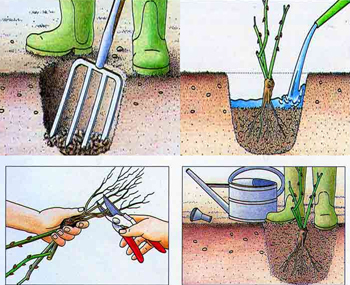
planting-rozTrees and shrubs are planted at such distances, to allow them to grow freely, i.e.. co 120…150 cm species of medium growth force, 200…300 cm high-growing species, like magnolias, spruces. Only one specimen is usually planted in small gardens.
Root system …

Trees and shrubs in the garden

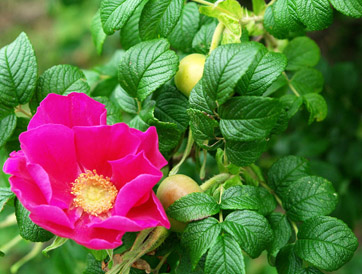
Wild roseTrees and shrubs give shade, cover ugly places and make, that the garden becomes quiet and cozy. Unfortunately, in the generally small area of ​​gardens, there is often simply no space for large trees, which would shade more and more over the years …

Perennials – seeds

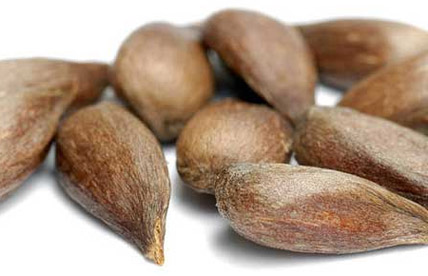
seedsAll perennial species produce seeds, which can be sown, preferably right after harvest, but it is quite a troublesome and lengthy way of reproducing. In addition, some perennials, and especially their garden varieties, though they produce seeds, do not repeat the characteristics of the mother plants. Large seeds are sown …

Propagation by cuttings

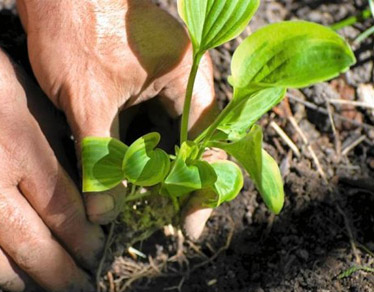
seedlingsPropagation by cuttings is a bit more difficult, however, it can be successfully used for many species of perennials. Herbaceous cuttings are parts of non-lignified shoots from 3…4 well-developed buds. They are cut in spring before flowering, and in species, whose flowering falls on …

Propagation of perennial plants

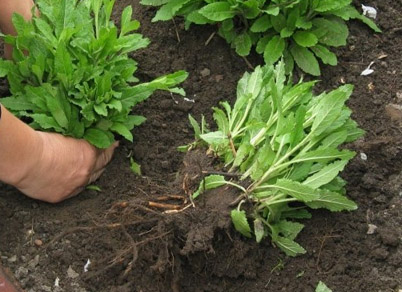
plant reproductionThe easiest way to reproduce perennial plants is to divide old specimens. Large clumps are divided by hand or with a spatula, avoiding hurting plants. Each part should have at least one well-developed bud, which will give rise to a new plant. Carpet plants: stonecrop, and …

Perennials

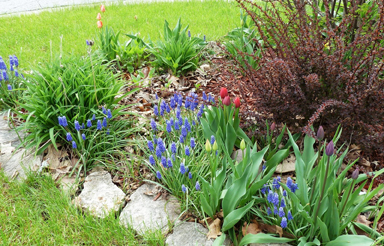
herbsPerennials – Perennial herbaceous plants, hibernating in the ground in the form of rosettes of leaves, the roots, rhizomes, tubers or bulbs are called perennials. Some of their species, originating from regions with mild winters, are very sensitive to frost; they are stored throughout the winter …

Biennial plants

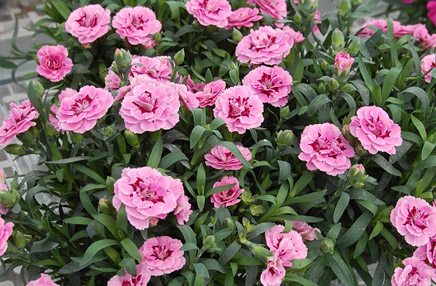
gozdzikBiennial plants
Biennial plants, sown in summer, they hibernate as seedlings or young plants, and it is not until the following year that they bloom and produce seeds. The rules for growing almost all of these plants are very similar: they are sown in June and July on a seedbed or …