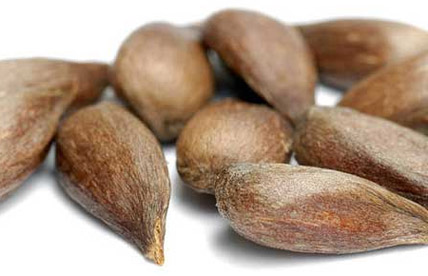
 All perennial species produce seeds, which can be sown, preferably right after harvest, but it is quite a troublesome and lengthy way of reproducing. In addition, some perennials, and especially their garden varieties, though they produce seeds, do not repeat the characteristics of the mother plants. Large seeds are sown right into the ground, and petty – to boxes filled with a mixture of garden soil, peat and sand, he covers them with a glass and sets them in a warm place. After the seeds have germinated, in addition to the increased doses of water, access of light is necessary. The seedlings are in phase. Some species, e.g.. most of the grasses, ferns, rudbekia, scabies (purple drake), they are so sensitive to cold, that they do not take well in the fall and it is better to plant them in spring.
Before planting, places for individual plants are marked out and the holes of such depth are dug, that the root collar is covered with earth. Dead leaves, flowers, inflorescences and broken roots should be removed. The root ball is placed into the well with care, so that the roots are not tucked upwards. The hole is covered with earth, kneads it well and waters it. Iris rhizomes are planted like this, that they were only covered with a thin layer of soil, and the buds protruded above the surface. As a rule, the bulbs and tubers are planted three times as deep, without pressing, but by throwing into previously dug holes, so as not to damage the roots. Plants are best planted early in the morning or evening, and after planting, shade and sprinkle them.