Annual plants

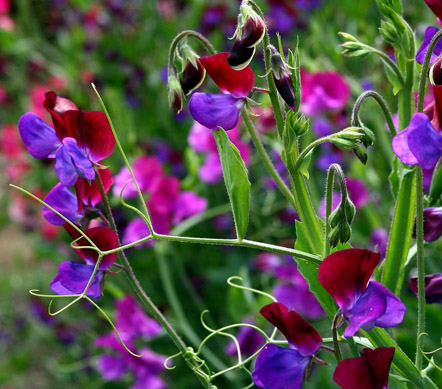
peasAnnual plants go through their entire development cycle in one growing season. Sown in spring, in summer, they produce shoots and leaves, they bloom and produce seeds, and in the fall they die. Seeds of some species can be sown directly into the ground, in well-cultivated and fertilized soil. …
Organic fertilizers

Organic fertilizers include:

Slurry
diluted with water, a fermented mixture of solid and liquid livestock excrements (adding water reduces nitrogen losses, because ammonia oxidation is slower in dilute solutions). G. it is a source of potassium and nitrogen, can be used under …

Fertilizers

nawozFertilizers – substances containing the nutrients necessary for plant development. Fertilizers are divided into: organic, constituting the basic fertilization, they are brought into the soil to improve its physical and biological properties, and minerals, brought into the soil to improve its chemical properties.…

Gangrene of seedlings

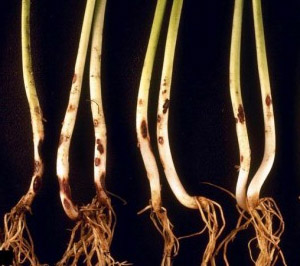
Gangrene of seedlingsGangrene of seedlings – It manifests itself in the darkening and narrowing of the seedling stems, and then turning over and dying off plants. This disease spreads to neighboring plants and forms outbreaks – blanks with remnants of dead plants. Gangrene of seedlings often occurs in the cultivation of seedlings …

Curd rot

Curd rot – it attacks various plants in the vegetable garden, especially the beans, tomatoes, cucumbers, and carrots in storage rooms, parsley and beets. Yellow-brown spots appear on the above-ground parts of the plants, which becomes covered with a wadded coating over time. Infested plants and stored crops rot. Development …

Potato blight on tomato

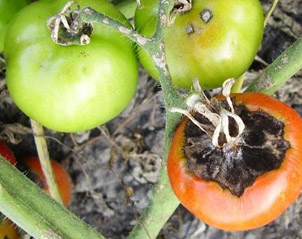
Potato blight on tomatoPotato blight on tomato – it manifests itself mainly on brown fruits, hard, . irregular, slightly raised spots. Infected fruits do not ripen and rot. It may deteriorate in cool and humid summers 90% thin. The vicinity of plantations should be avoided …

Gray onion mold

Gray onion mold – it occurs mainly during storage of the harvest and is manifested by its softening, browning and rotting of the scales, with a fluffy gray coating. It most often attacks unripe bulbs, not dried in the beds.…

Powdery and false mildew

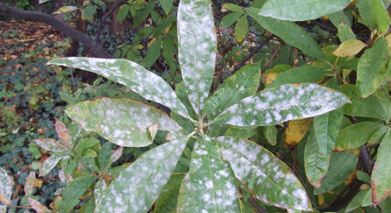
Powdery mildewPowdery mildew – it infects many plants, m.in. peas and cucumbers, on whose leaves and shoots a powdery white coating forms. This leads to an inhibition of growth and a reduction in the yield. Infested plants must be destroyed and harvest residues should be burned.

Downy mildew – …

Anbury

Anbury – it infects all brassicas. Growths are formed on the roots, as a result, the plants grow very poorly and wilt quickly. To prevent the spread of the disease, must keep 3…6-summer break in the cultivation of cruciferous plants, burn crop residues, and right there …

Bean ring bacteriosis

Bean ring bacteriosisBean ring bacteriosis – initially appears on seedlings as reddish-brown spots, which are then slightly raised on the pods and stems and appear greasy, hence, bean ring bacteriosis is also called bean fatty disease. Sometimes whole plants die. …