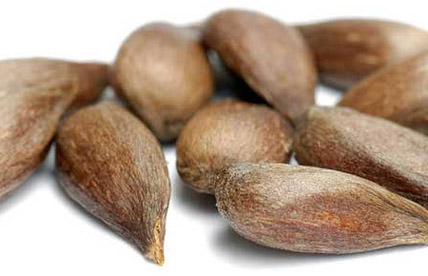
 Dressing the seeds, that is, treating them with chemicals that inhibit the growth of fungi and insects, should be used by gardeners – especially owners of ecological gardens – only when necessary. The same effect can be achieved by using plant seed baths and mechanical plant protection measures – for example insect screens that destroy vegetables, cut foil, etc.. Garlic, onion, valerian root extract and horsetail herb decoction can significantly delay or even stop the growth of fungi. As a precaution, you can leave the seeds in the solution for about half an hour, then sow them immediately after drying. The solution can be used many times. Damage to seedlings by flying insects is best prevented by sowing seeds under glass or foil. Many plants grow excellently in a mixed culture, that is, planted alternately with other plants, they protect each other. Seeds with extremely hard shells – for example spinach seeds, radishes, chard or carrots – they sprout more easily, if we leave them for around 24 hours in a damp linen bag or mixed with damp sand in a plastic bag, then immediately sow them into the soil.
Many seeds require the right temperature to germinate. The seasons, lettuce or endive do not tolerate too high a temperature, that's why in the summer we sow them in the evening, if possible, or put the seeds in the fridge for around 24 hours, providing them with temperature +8 degrees.
Spinach can be sown in the spring or in the fall. It can withstand even negative air temperatures.
Root vegetables, np. radish, radish or beetroot, grow well and can be harvested gradually.
We sow the kale in the summer, after harvesting early vegetables. It will stay in the flower bed throughout the winter.
Carrots like fluffy soil; some of its varieties, however, are intended for heavier clay soil.
Rhubarb likes rich soil. It needs a dormant period and can only be harvested until the end of June.
Courgettes do best in warm places, in good soil. Also suitable for pot breeding.
Fresh lettuce can be harvested in the garden from spring to autumn. Leaf lettuce is very tasty, constantly growing back, does not require regular sowing.
Germination test for old seeds
We line the plate with a piece of moist tissue paper, we pour out a sample of seeds and cover them with foil. If less than germinated 50% seeds, it is not worth sowing them into the soil. When the number of germinating seeds is less than 75%, they should be sown more densely, if it sprouted over 75% seeds – you can not be afraid of greater losses.